Category: Projects

  • Digital Archives

    Digital Archives

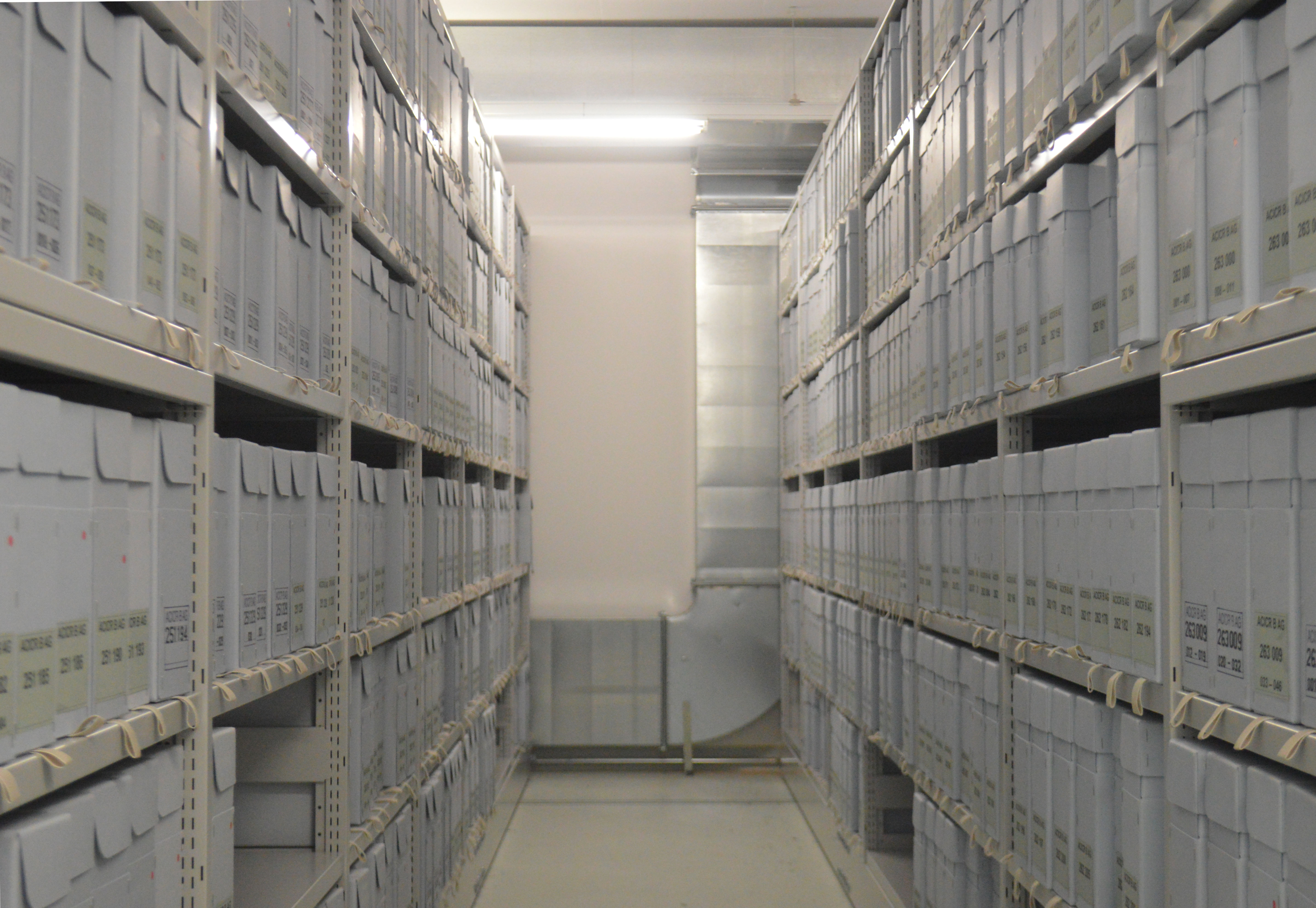
    Digital archives, especially community-based ones, play a crucial role in preserving memory, forming historical narratives, and challenging exclusionary modes of knowledge production. This research area examines how archiving practices determine whose voices are preserved, how histories are constructed, and what is remembered or forgotten. We emphasize the significance of community-driven digital archives—such as those developed by activists, diaspora communities, and minoritized groups—as powerful forms of cultural preservation and political resistance. Our work explores issues of collection, access, and representation, and shows the value of participatory approaches to community archiving in the digital age.

    Photo: Wikimedia Commons

  • Population Data

    Population Data

    Population data, which is usually collected through instruments such as censuses, health surveys, educational records, and biometric systems, plays a foundational role in the distribution of economic resources and political representation. Our research critically examines how these large-scale data systems categorize individuals and communities, often in ways that reproduce structural inequalities. With a particular focus on census data, we ask: Who is counted, how are categories constructed, and what are the consequences of exclusion from the official record? We investigate the politics of contested information and examine how data infrastructures, such as the census, might be reimagined to better support equity and justice.

    Photo: Wikimedia Commons

  • Surveillance and Privacy

    Surveillance and Privacy

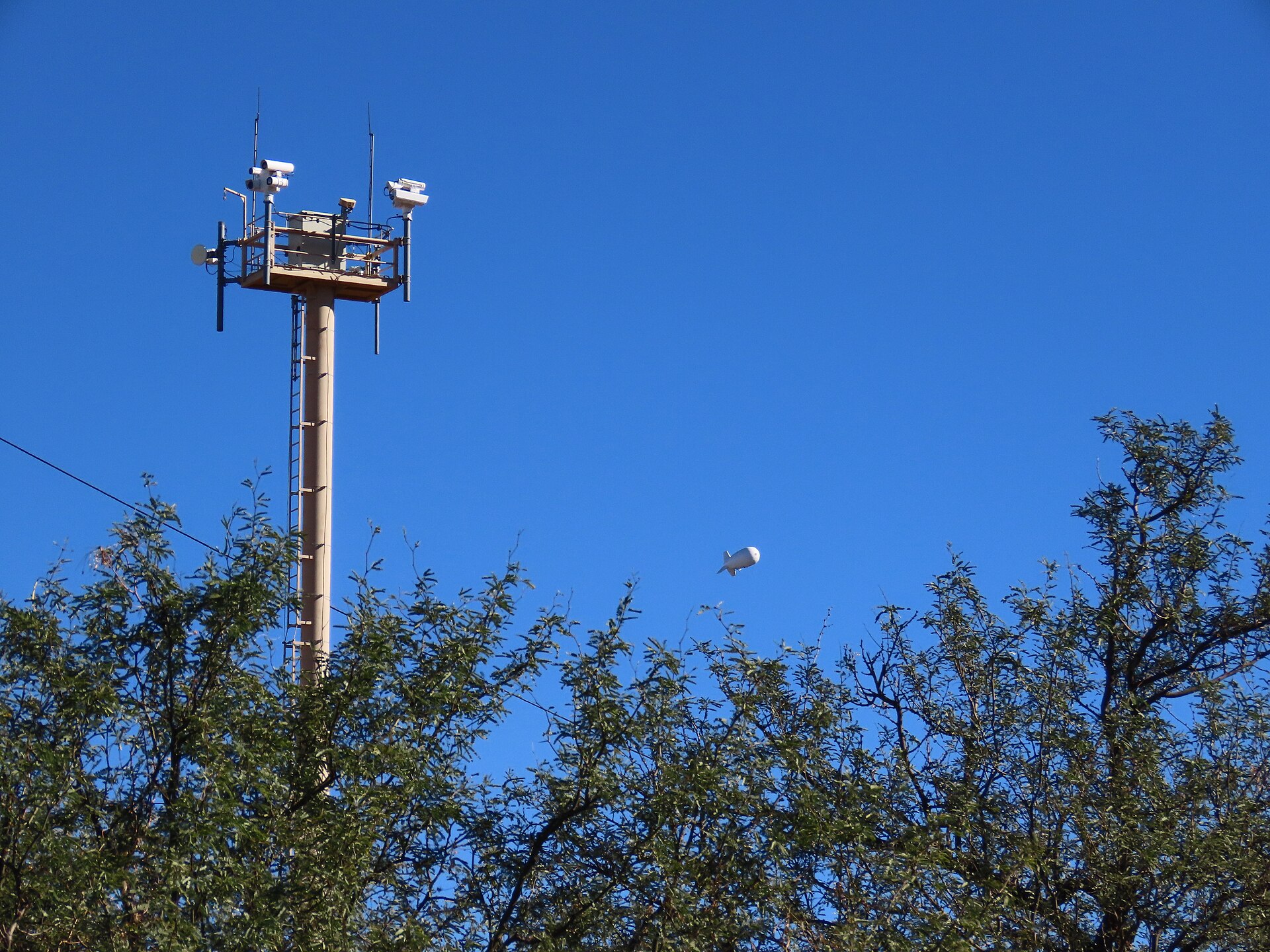
    In this research area, we examine the evolution of surveillance—from pre-digital forms of data collection to contemporary systems of algorithmic tracking. We analyze how these technologies of control shape everyday life, with particular attention to their disproportionate impact on racialized, low-income, and marginalized communities. Digital surveillance, we show, challenges conventional notions of privacy and consent and redefines the relationship between individuals and the state. Taking a global approach, our research explores the techniques and technologies of surveillance in both the West and the non-Western world.

    Photo: Wikimedia Commons